Beastfolk Barber Tips, Feedback & Returns
How satisfaction becomes tips, written feedback, returning customers, and continuing—or ending—story arcs.
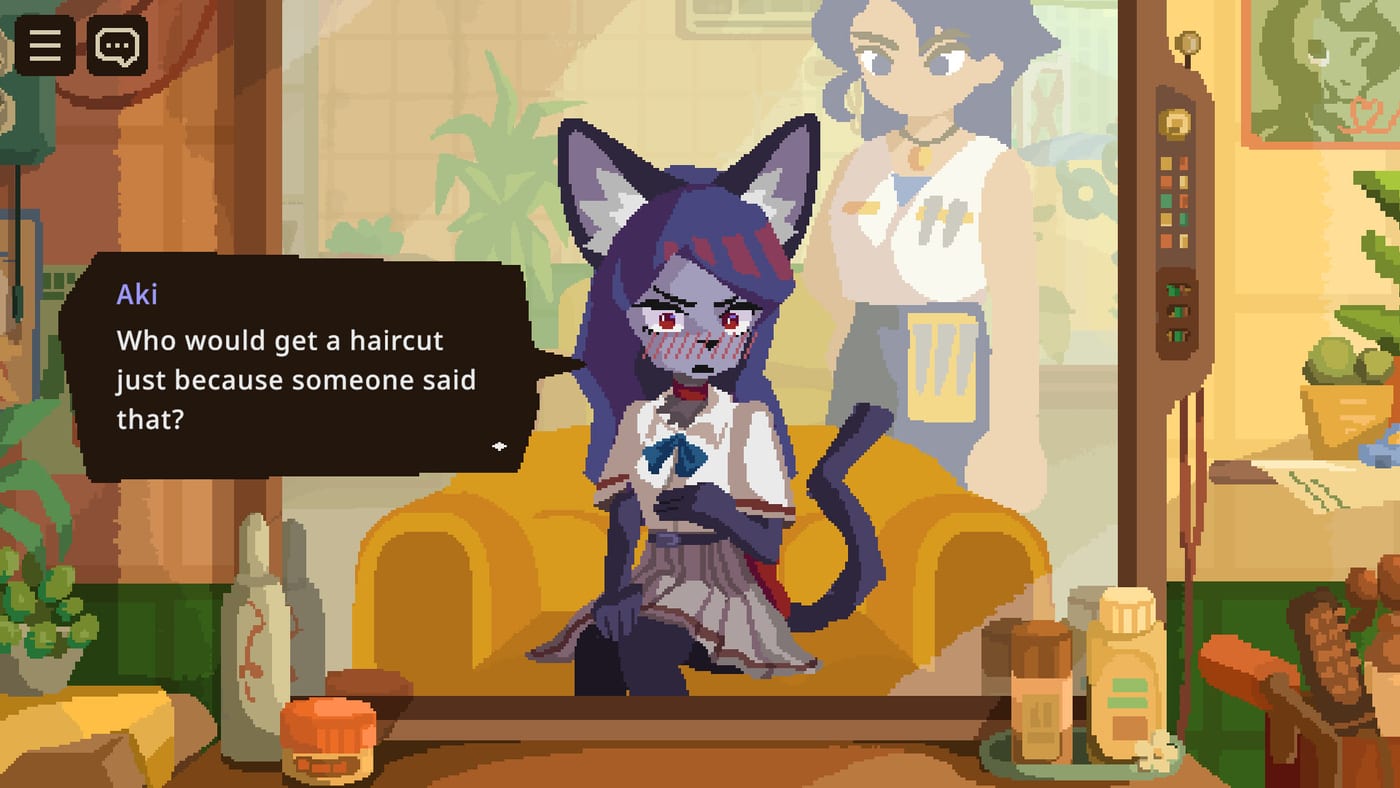
Satisfaction is the quiet economy of Beastfolk Barber. A pleased customer tips, leaves feedback, and comes back so their story can continue. A disappointed customer may still pay something, write a cooler note, and vanish—ending an arc you did not realize was fragile. This page explains how tips, feedback, and return visits fit together so you can read the shop’s health at a glance and course-correct before the demon bargain demands mastery you have not practiced.
Tips as tone, not only currency
Tips signal how the visit felt. A generous tip usually means the look and the conversation aligned. A thin tip after a long chat can mean you heard them socially but missed the silhouette—or vice versa. Do not chase tips as a speedrun score. Chase the conditions that produce them: accurate listening during Haircuts and conversations, careful Mysterious Mirror spends, and respect for species context outlined under Customers.
Because Beastfolk Barber is a narrative sim, tip spikes also underwrite the cozy fantasy of a shop that can survive. Resources you gather while serving clients feed longer goals, including the demon’s request for a perfect cut in exchange for undoing regret. Treating tips as pure min-max currency misses their story role.
Feedback as a teaching layer
Written feedback is more actionable than the tip number. It often names what went right or wrong—too severe, not bold enough, ignored a practical need, finally felt like “me.” Read feedback the same evening it appears. Pair it with the social feed inside the End-of-day loop and the guide How to read the social feed. Public posts may amplify or contradict private notes; both are data.
When feedback surprises you, replay the visit in your head: Did you spend a preview and ignore the reaction? Did you lock a look before a late dialogue beat changed the brief? Systems are consistent even when your memory is not. Use Tools to jot customer goals if you tend to forget mid-day.
Return visits keep stories alive
Store materials are blunt: how well you handle each haircut affects customers’ stories and the chances you will see them again. Get it wrong, and that visit could be their last. Get it right, and their story at the mirror continues. That is the retention loop behind Keep customers coming back.
Return visits are not only “more content.” They are deeper content—new worries, festival pressures, evolving identity. Losing a customer early can soft-lock emotional payoffs you wanted. The demo teaches this stakes model in a shorter calendar; the TBA full release will stretch it across a citywide celebration that brings familiar faces back when you have earned them. Scope notes live on What’s in the demo.
Bad cuts and ended arcs
Failure is allowed to hurt. Cozy presentation does not mean every mistake is undone. If someone leaves for good, resist the urge to call the systems unfair until you reread their feedback and your mirror choices. Often the game warned you. Learning from an ended arc is part of Freddie’s growth, especially with a regret-themed demon waiting in the glass.
If you are still in the early demo hours, follow Getting Started and How to use the Mirror before you assume you “ruined” a save. Many first failures are literacy problems, not permanent disaster—unless you ignore the lesson and repeat the same projection on the next client.
How tips, feedback, and returns interact
Imagine three dials:
- Immediate satisfaction → tip amount and warmth.
- Articulated judgment → feedback text you can learn from.
- Relationship continuity → whether they rebook the chair.
You can receive okay tips but cool feedback if the cut was competent yet impersonal. You can receive kind feedback but no return if scheduling/story gates intervene—or if the demo simply has not reached their next beat yet. Always interpret results in context of Demo Hub scope before you panic.
A healthy shop day usually shows mixed tips, specific feedback, and at least a hint that someone intends to come back. A worrying day shows vague praise, shrinking tips, and silence where a returning face should be. Adjust tomorrow’s prep using evening clues rather than randomly reinventing your style sense.
Practical habits
- End every day by listing who might return and why.
- Cross-check that list against social posts.
- Enter the next morning with one improvement goal (“softer crowns,” “ask about work events first”).
- Spend mirror previews on clients whose last feedback mentioned uncertainty.
- Celebrate returns as story unlocks, not only as money.
Hardware stutter can fake “bad pacing” during emotional beats—confirm performance via Download & requirements if the build hitching during reactions. For overall impressions after you understand the economy, write thoughts under Review.
Linking satisfaction to the demon bargain
The demon does not ask you to abandon mortal clients; she asks for a perfect cut after you have kept serving and gathering. Satisfaction systems are the training montage. Players who ignore tips and returns will arrive underprepared for a chair visit that cannot be shrugged off. Treat every ordinary beastfolk as practice for extraordinary precision.
Return to the Systems Hub for mirror and evening pages that surround this economy. Satisfaction is how Beastfolk Barber measures care—and care is the real resource the shop runs on.
Frequently Asked Questions
Quick answers to the most common questions.
Do tips matter if I only care about the story?
Yes. Tips reflect satisfaction, and satisfaction drives return visits that continue arcs. Story and shop health are linked.
Can a bad haircut end a customer’s story?
Yes. Official feature text warns that getting it wrong can make a visit their last. Read feedback and adjust before repeating mistakes.
Where do I review feedback each night?
During the End-of-day loop, alongside the city social feed explained in How to read the social feed.
How do I improve return rates?
Follow Keep customers coming back, spend mirror previews wisely, and match cuts to worries—not to your taste alone.
Are demo returns the same as full-game returns?
The rule is the same; the calendar is shorter in the free demo. See What's in the demo for scope.