Beastfolk Barber Mysterious Mirror
Limited previews, readable reactions, and the mirror’s ties to Freddie’s past—and a demonic bargain.
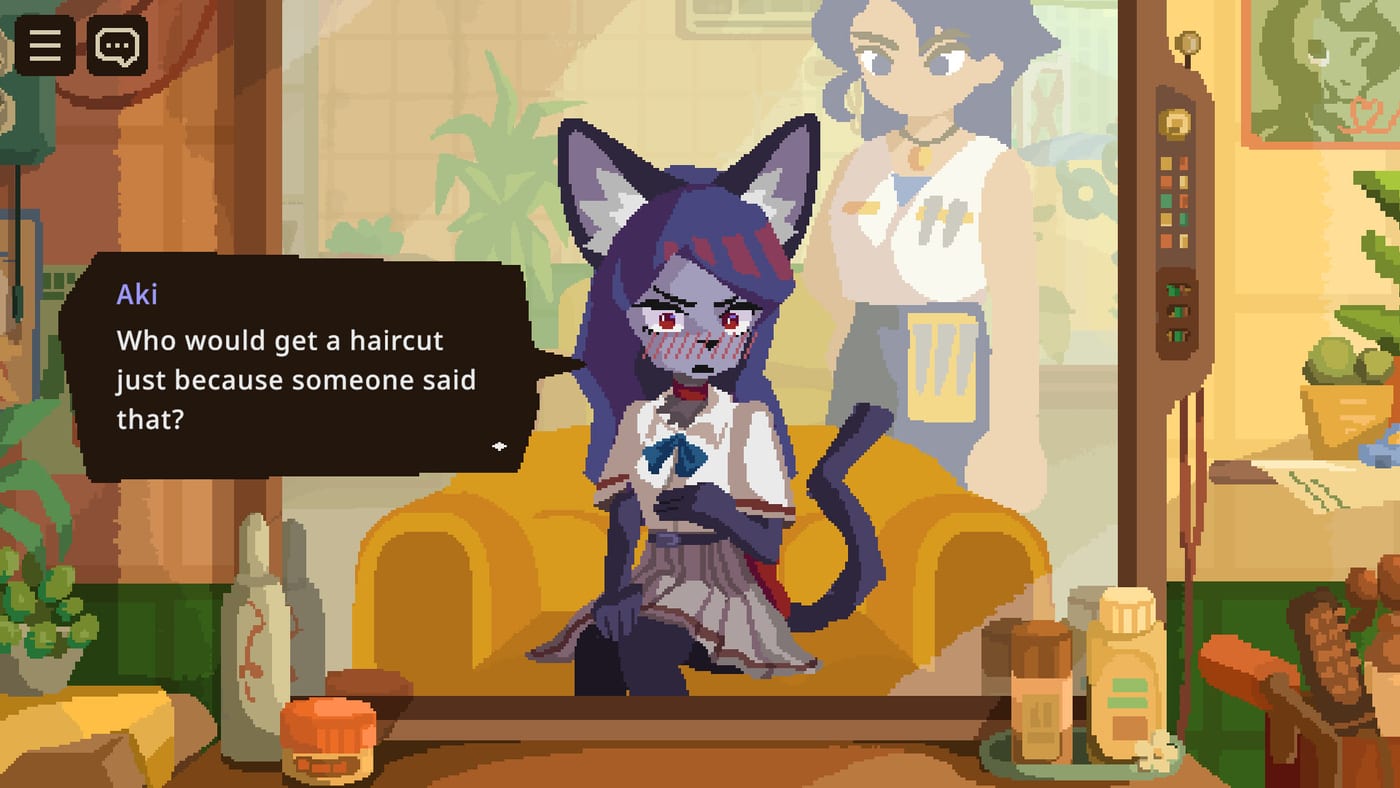
The Mysterious Mirror is Beastfolk Barber’s signature safety net and its sharpest pressure valve. Created by Freddie’s late friend, the mirror can show a customer their new hairstyle before you make the first real cut. That gift is not infinite. Previews are limited, so every glance is a decision: spend now to avoid disaster, or save for a harder request later in the day. Mastering the mirror is the difference between a cozy demo evening and a string of customers who never return.
What the mirror actually does
In practical terms, a preview lets you test a proposed look and watch the beastfolk in the chair react—relief, doubt, delight, polite discomfort. Those reactions are information. The game wants you to read faces and body language the way a real stylist would, then adjust before scissors commit. Because attempts are scarce, vanity experiments (“I wonder how neon tips look on everyone”) burn the budget that should protect ambiguous clients.
Pair this systems page with the hands-on guide How to use the Mirror. Systems explain why the economy of previews exists; the guide walks through when to spend versus when to trust your ears. New players should also skim Getting Started so they do not meet the mirror mid-panic on customer three.
Why limits exist
Unlimited undos would erase tension. Beastfolk Barber is a narrative sim about regret, identity, and care. A limited mirror lets you reduce risk without deleting consequence. You still have to listen during Haircuts and conversations, still have to live with tips and feedback, and still feel the weight when a bad cut ends an arc. The mirror softens the landing; it does not remove the landing gear requirement.
Think of previews as “questions you are allowed to ask out loud.” Great barbers ask fewer, better questions. If a customer already described a silhouette clearly, you may not need a preview. If their words conflict—short but “still soft,” bold but “office safe”—that is preview territory. Save at least one attempt for the customer who arrives flustered after you have already spent freely on easier wins.
Reading reactions correctly
A muted reaction is not always failure. Some beastfolk are shy, formal, or processing grief. Look for micro-signals: ears angling toward the glass, a paw lingering near a fringe, a smile that never reaches the eyes. If a preview lands poorly, do not immediately burn a second attempt on a tiny tweak unless you know what changed in their request. Re-open the conversation. Systems that reward listening will punish silent thrashing.
When the day ends, compare what you saw in the glass with what Tips, feedback & returns and the social feed report. Sometimes a customer smiles politely in the chair, then posts a more honest take online. That gap is teachable. Study End-of-day loop and How to read the social feed so mirror lessons survive overnight.
Story weight: friend, demon, regret
The mirror is not only a UI tool. It is a story object tied to Freddie’s late friend and, later, to a demon who appears with a bargain—deliver the perfect cut, and she may undo a past regret. Resource gathering and continued service are prerequisites. Understanding mortal customers through limited previews is practice for a supernatural chair visit that will demand precision. Do not binge spoilers; let the demo introduce the offer at its own pace, as noted in What’s in the demo.
Because the object carries grief, wasteful previews can feel tonally wrong even when they are mechanically allowed. Players who role-play Freddie carefully often play better: they treat each preview as borrowing a friend’s last gift, not as a free cosmetics catalog.
Common mirror mistakes
- Previewing before listening. Hear the worry first; the look is a translation of that worry.
- Spending the last preview on a safe customer. Keep a emergency attempt for chaos.
- Chasing your taste. The correct cut is the one that fits their life, not your portfolio.
- Ignoring species context. Beastfolk anatomy and culture change what “short” even means—browse Customers for non-spoiler orientation.
- Skipping the evening review. Mirror lessons compound when you reread feedback.
Practice drills for the Steam demo
During a free demo day (install help on Download & requirements), try a hard rule: no preview until you can state the customer’s goal in one sentence. If you cannot, ask another dialogue beat. After the day, jot whether each preview changed your plan. Use Tools checklists if you like paper tracking. Over two sessions you should see fewer panic spends and more intentional ones.
If a cut still fails, study Keep customers coming back. Satisfaction systems will tell you whether the mirror saved you or whether you ignored a reaction you already saw. For wishlist thoughts after you understand the tool, visit Review—but learn the glass first.
How the mirror fits the wider loop
Morning prep may include social clues from yesterday. Midday, you translate those clues into looks, spending previews only when ambiguity spikes. Evening, you reconcile reactions with tips and posts. That cycle is the heartbeat of Beastfolk Barber. The Mysterious Mirror sits in the middle of it, glamorous and finite. Treat it with respect, and Freddie’s shop stays a place where people—beastfolk and otherwise—can risk becoming someone new without being abandoned when the first idea fails.
Return to the Systems Hub for neighboring mechanics, or the Demo Hub when you need scope and install context. The mirror will still be waiting in the shop, counting every careful glance.
Frequently Asked Questions
Quick answers to the most common questions.
Are Mysterious Mirror previews unlimited?
No. Previews are limited on purpose. Spend them when a customer’s request is ambiguous, not on every tiny curiosity.
Who created the Mysterious Mirror?
Store materials credit the mirror to Freddie’s late friend. That origin is part of the emotional stakes around using it wisely.
Should I always preview before cutting?
Not always. Clear requests can skip a preview. Save attempts for conflicting goals or high-stakes customers. See How to use the Mirror.
How does the mirror relate to the demon bargain?
The demon’s offer involves a perfect cut and undoing regret. Mirror discipline on mortal clients is practice for that later precision.
What should I read after this page?
Continue with Haircuts and conversations and Keep customers coming back.
Where is the Systems hub?
All mechanics overviews link from the Systems Hub.