Beastfolk Barber End-of-Day Loop
After the last cut: review tips and feedback, scroll the social feed, and prep the next morning with real clues.
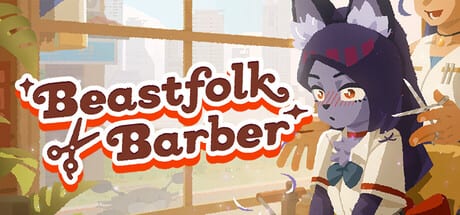
When the barbershop lights dim in Beastfolk Barber, the day is not over—it is transforming. The end-of-day loop is where tips settle, feedback becomes readable, and the city’s social feed surfaces news, festivals, and customer posts that may matter the next time someone sits in Freddie’s chair. Skip this ritual and you will treat tomorrow like a random encounter generator. Honor it and the demo starts to feel like a living neighborhood.
What the evening sequence includes
According to the public feature set, closing time is for reviewing customer feedback and scrolling the city’s social feed. Local news and festival chatter sit beside personal posts. Any of those crumbs can help you choose a safer silhouette, spend a Mysterious Mirror preview more wisely, or open a conversation on the right worry. This page maps that sequence as a system; the guide How to read the social feed teaches practical scanning habits.
Also revisit Tips, feedback & returns while the numbers are fresh. Tips tell tone; feedback tells cause; return hints tell whether an arc still has a pulse. The evening is the only time those three signals arrive together without a customer waiting in the chair.
Why the loop exists
Narrative sims need a bridge between sessions. The end-of-day loop is that bridge. It converts messy midday improvisation into a plan. It also reinforces the game’s theme: barbering is community work. You are not alone with scissors—you are embedded in a city that talks about your shop when you are gone.
As the wider story unfolds, a citywide celebration is pitched to bring familiar faces back. Evening posts are how the calendar telegraphs that energy early. Even in the free Steam demo (live since August 6, 2026), practicing feed literacy prepares you for the TBA full release’s longer schedule. Scope reminders live on What’s in the demo and the Demo Hub.
A repeatable closing checklist
- Breathe. Do not click through results while still tilting at the last cut.
- Read tips with context. Who tipped well after a risky look? Who tipped poorly after a “safe” one?
- Extract one lesson per feedback note. Write it down via Tools if needed.
- Scan the social feed twice: once for names you recognize, once for citywide events.
- Mark preview budget intentions for tomorrow—especially if a post implies an unusual request.
- Queue conversation openers tied to festivals or rumors, not generic small talk.
- Check return expectations against Keep customers coming back.
This checklist keeps the cozy tone intact while making you strategically sharper.
Connecting evening intel to daytime systems
Clues only matter if they change behavior. If a post hints that a regular wants softer lines for a ceremony, enter the next visit ready to listen for ceremony stress during Haircuts and conversations. If two posts disagree about a trend, plan a Mysterious Mirror spend and follow How to use the Mirror so you do not guess blind.
Evening intel also protects arcs. When feedback was lukewarm but a customer still jokes kindly online, you may have one more chance—play that visit carefully. When silence replaces a usual poster, consider whether an ended arc already happened and adjust emotionally before the demon bargain storyline asks you to face regret themes head-on.
Common end-of-day mistakes
- Skipping the feed because “I’ll remember.” You will not.
- Only hunting memes. Festivals and local news are mechanical hints, not wallpaper.
- Ignoring shy customers’ quiet posts. Soft accounts still carry styling truth.
- Planning tomorrow’s cuts before reading feedback. Feedback first, fashion second.
- Blaming RNG for a dry feed day. Sometimes the lesson is that you created no stories worth posting—improve midday care.
Demo session advice
New players should finish at least one full day before judging the game. Install help sits on Download & requirements; first-hour orientation sits on Getting Started. After your first closing sequence, immediately open the social feed guide and this systems page side by side. The second day will feel dramatically more intentional.
If performance hitching makes the feed unpleasant to read, fix hardware issues first—Windows 11 / macOS Monterey minimums and 30 FPS targets are listed on the requirements page. A smooth evening UI makes literacy easier.
Story payoff for diligent closers
Players who treat closing time as optional will experience Beastfolk Barber as a series of isolated appointments. Players who treat it as a newsroom will experience a city. That difference matters when familiar faces return for celebrations and when the mirror’s darker visitor demands a perfect cut fueled by resources gathered across many careful days. The end-of-day loop is how ordinary evenings accumulate into extraordinary readiness.
For customer-specific notes, branch to Customers. For wishlist reflections after several closings, visit Review. For neighboring mechanics, return to the Systems Hub. Close the shop with intention, and tomorrow’s first “what are we doing today?” will already have an answer waiting in yesterday’s feed.
Frequently Asked Questions
Quick answers to the most common questions.
What should I do at the end of each Beastfolk Barber day?
Review tips and feedback, then scroll the city social feed for news, festivals, and customer posts that can guide tomorrow.
Is the social feed only flavor text?
No. Posts can hide styling and conversation clues. Learn scanning habits in How to read the social feed.
How does the evening loop affect return visits?
It helps you prep better cuts and talks, which improves satisfaction and the odds customers come back. See Tips, feedback & returns.
Should beginners skip straight to the next morning?
No. Finish the closing sequence at least once. Pair it with Getting Started on your first demo day.
Where else should I look after closing?
Use Tools to note clues, check Customers for context, and return to the Systems Hub for related mechanics.