Beastfolk Barber Demon Bargain Overview (Spoiler-Light)
What the mirror offer is about—without mapping every beat of Freddie's regret
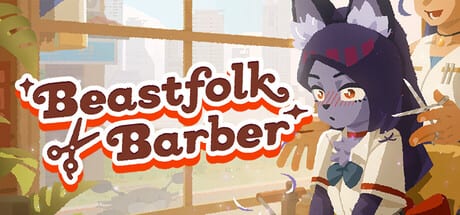
Beastfolk Barber wears a cozy barbershop smile, then lets something sharper appear in the glass. Official Steam copy states it plainly: one day, a demon appears in your mirror with an offer. Give her the perfect haircut, and she will undo a past regret. First, though, you must keep serving customers, gather resources, and find a way to cut a demon’s hair. Along the way you face what you have been trying to avoid. This page is a spoiler-light overview of that bargain—stakes, priorities, and tone—without turning into a step-by-step ending guide.
If you want shop atmosphere first, read Freddie and the shop. If you are losing return visits, fix customer satisfaction before chasing subplot prep. Systems detail lives in the Systems Hub; onboarding in the Guides Hub and Demo Hub. Opinion context sits in the Review Hub. Practical helpers remain under the Tools Hub.
What we will not spoil
We will not catalog every dialogue beat, resource checklist item, or late-game reveal here. Beastfolk Barber’s power is discovery in the chair. Spoiling the emotional turns would undercut Freddie’s confrontation with regret. Treat this page as a map of themes and play priorities, not a quest log.
If a friend already spoiled a beat for you, you can still use this overview as a “why it matters” lens. If you are spoiler-averse, stop after the official pitch summary and return when the demon shows up in your own save.
The bargain in plain language
The Mysterious Mirror is already a tool of limited foresight—created by Freddie’s late friend and capable of previewing styles before the first cut. The demon’s appearance reframes that glass: not only a styling aid, but a threshold. The offer is transactional and intimate at once—perfect cut for undoing regret. That pairing tells you the subplot will test the same skills the cozy loop teaches: reading a client, managing scarce previews, and caring enough to get the result right when it matters.
Importantly, the pitch insists you keep serving ordinary customers. The bargain is not a skip button past the shop. It is a long pressure that hangs over daily work. Satisfaction, tips, feedback, and returns remain relevant because the path forward is built from staying open for business.
Why customer care comes first
Players who tunnel into “demon prep” and neglect the chair will miss the game’s thesis. Beastfolk Barber argues that facing avoidance happens through presence with others, not through abandoning them. Happy clients keep stories alive and keep the shop’s social web intact. That web—feed posts, festivals, returning faces—feeds the information and resources a harder client would demand.
Use satisfaction habits as subplot prep in disguise. Read feedback. Skim the social feed. Spend mirror previews like they matter. The shop day checklist and mirror decision helper exist so you do not invent a separate “demon mode” that breaks cozy pacing.
Tone: cozy with teeth
Comparisons to Coffee Talk describe warmth and talk-first design. The demon bargain adds teeth: regret, avoidance, and a client who is not simply another neighborhood regular. Expect the shop’s lighting to stay inviting while the conversation gets heavier. That contrast is intentional. Beastfolk Barber is not asking you to abandon comfort; it is asking what comfort costs when the past knocks.
Early demo impressions on Steam have trended Positive in a still-early review pool—players responding to tone and chair fantasy. That is encouraging for the blend of cozy and sharp, but it is early demo feedback, not a verdict on how the full TBA release resolves Freddie’s arc. Go in curious, not spoiled.
How to approach the subplot as a player
When the demon appears, slow down. Apply the same listening craft you use on beastfolk guests. Do not dump every mirror charge the moment stakes rise; scarcity is part of the design. Keep booking ordinary days. Treat resource gathering as something that happens alongside care, not instead of it. If you feel lost mechanically, return to the Systems Hub and Customers Hub rather than hunting unmarked spoilers.
If you are still deciding whether the game’s emotional range fits you, read demo first impressions and should you wishlist. Wishlist pressure is low while the full release date remains TBA; the free demo is the honest try-before-you-commit path.
Where this overview sits in the wiki
This page belongs under Customers because the demon is still a client relationship wrapped in supernatural stakes. It is not a separate genre island. Cross-link siblings when you need them: Freddie for character, satisfaction for loops, systems for rules, tools for checklists, review for taste-checks, demo and guides for onboarding.
Play spoiler-light until the glass speaks. Then play like a barber: listen, prepare, cut carefully, and keep the shop open for everyone who still needs a chair.
Frequently Asked Questions
Quick answers to the most common questions.
Will this page spoil the ending?
No. It sticks to official pitch-level stakes and play priorities without mapping late reveals or step-by-step solutions.
Do I abandon regular customers for the demon?
No. Official copy says you keep serving customers and gather what you need. Satisfaction habits remain essential—see customer satisfaction.
How does the Mysterious Mirror fit in?
The mirror already offers limited previews. The demon appearance raises the emotional stakes of getting a difficult cut right. Use the mirror decision helper.
Is the demon bargain in the demo?
The demo introduces the game's fantasy and systems; exact subplot depth can vary by build. Play the demo and treat full-release TBA content as unfinished.
Where should I go next?
Return to the Customers Hub, or continue with Freddie and the shop, Guides, and Systems.
Is Beastfolk Barber still cozy with this subplot?
Yes—warm shop energy with sharper themes of regret and avoidance. Read demo first impressions for tone notes.