Beastfolk Barber Species-Linked Worries at the Chair
Listen for body, bias, and belonging before you treat every client like the same silhouette
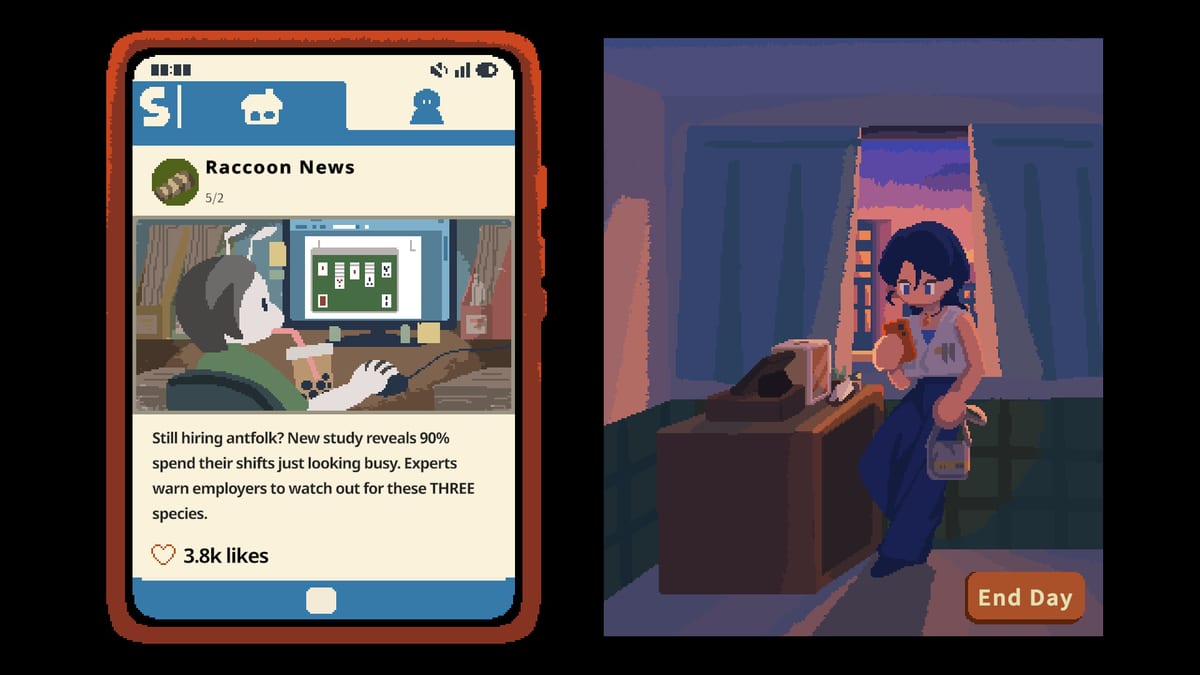
Official Beastfolk Barber copy is blunt: as you cut, customers open up about everyday worries unique to their species, and every haircut brings you closer to who they really are. That line is not flavor—it is a play instruction. This page teaches how to treat species-linked worries as design, not as costume trivia, without spoiling individual arcs. Read it beside Freddie and the shop and Customer satisfaction.
Why species worries exist
Beastfolk live in a modern city beside human expectations. Fur, horns, feathers, scales, claws, and tails change what a “professional” cut means, what a festival look risks, and what strangers stare at on the train. The game uses those differences to talk about prejudice, workplace pressure, and belonging without needing a lecture mode. If you style as if every client were a human mannequin, you will miss the request under the request.
Species worries also protect Mirror discipline. When a client’s body makes a trend unsafe or undignified, a scarce preview is not vanity—it is consent infrastructure. Burn it when ambiguity is high and the guest feels vulnerable; skip it when the ask is clear and low risk. Details: How to use the Mirror.
Listening patterns that travel across clients
You do not need a bestiary spoiler sheet. You need questions:
- What part of their appearance feels policed by work or family?
- What part feels like pride they want visible?
- What maintenance reality (shedding, horn space, feather layering) reshapes “easy to live with”?
- What city event on the social feed might amplify attention tomorrow?
Answer those in the client’s words before you chase a silhouette you saw in a trailer. The social feed guide helps you anticipate festival pressure; species talk tells you how that pressure lands on a specific body.
Practical chair habits
- Restate the goal using their nouns (species features included) so they can correct you.
- Ask comfort and safety before fashion when anatomy is in play.
- Watch micro-reactions during Mirror previews—flinches beat your own taste.
- Prefer reversible-feeling choices when trust is new; save bold experiments for return visits.
- At day end, note which species-linked themes appeared in feedback so tomorrow’s open is smarter.
Satisfaction systems care whether the person felt seen. Tips and return visits are soft sensors for that feeling; see Tips, feedback, returns and Keep customers coming back.
What this page will not do
It will not list every species with a meta “correct cut.” That would spoil discovery and rot when the full TBA release expands the cast. It will not map the demon bargain onto a species chart—keep that on the low-spoiler Demon bargain overview. It will not replace playing the August 2026 free demo; reading is rehearsal, not a substitute for listening.
Connecting species talk to the wider city
Trailers and store text promise a citywide celebration that brings familiar faces home. Early respect compounds into occupied chairs later; early dismissiveness compounds into empty ones. Species worries are how respect gets specific. When a feed post mentions a festival, ask how that festival reads on this client’s body—not on a generic influencer template.
Demo-era advice
The demo is a sample cast and sample hours. Use it to practice the listening patterns above, not to complete a Pokédex of beastfolk lore. If a worry confuses you, slow down, spend a Mirror charge if stakes feel personal, and read feedback even when the tip looks fine. Hardware and install questions belong on Windows & macOS setup; emotional craft belongs here.
Bottom line for Freddie
Species-linked worries are the game teaching you that kindness needs detail. Treat anatomy and bias as part of the brief, spend previews like trust, and let return visits prove you heard them. Do that, and Beastfolk Barber’s cozy pitch stops being a Coffee Talk slogan and becomes a chair ethic you can actually play.
Frequently Asked Questions
Quick answers to the most common questions.
Do I need a species tier list?
No. Learn listening patterns: policed features, pride features, maintenance reality, and city attention. Avoid spoiler sheets.
When should Mirror previews prioritize species concerns?
When anatomy or dignity is ambiguous and the guest seems vulnerable. See How to use the Mirror.
How does this connect to satisfaction?
Feeling seen drives tips and returns. Read Customer satisfaction.
Will the full game add more species stories?
The full release is TBA and marketed as expanding the cast. Practice habits now so new faces stay readable.