Keep Customers Coming Back in Beastfolk Barber
How satisfaction, feedback, and careful cuts protect Freddie’s regulars and their stories.
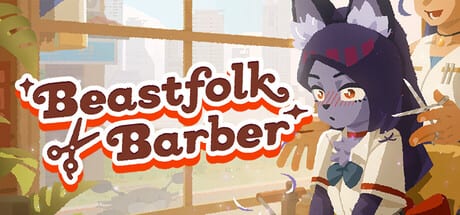
Satisfaction is the long game
Beastfolk Barber is not a high-score haircut arcade. As Freddie, you run a shop where beastfolk clients return—or vanish—based on how respected they feel after the chair. Customer satisfaction influences tips, whether guests book again, and whether narrative arcs continue. A careless cut can end a storyline. That single rule should reshape how you play the free Steam demo and how you prepare for the full TBA release.
This guide focuses on retention habits. Pair it with Getting Started in Beastfolk Barber for first-day pacing, How to use the Mysterious Mirror for scarce previews, and the Customers hub once faces become familiar.
What “good service” means here
Clients arrive with more than a reference photo. Conversations touch identity, prejudice in the modern city, and workplace pressure that may punish expressive styles. A satisfying appointment usually means:
- You heard the real goal beneath the surface request.
- You used Mirror previews only when ambiguity remained.
- The final look matched their emotional needs as well as their words.
- Closing feedback did not scream regret.
Tips are a useful signal, but they are not the only one. A polite tip paired with cool feedback can still warn that an arc is wobbling. Read both at day’s end alongside the social feed—see How to read the social feed and End-of-day loop.
Protect arcs like fragile saves
Because bad cuts can end arcs, treat high-emotion appointments as soft fail states. If a client is mid-story about belonging or workplace harm, do not use them as a sandbox for experimental silhouettes. Spend Mirror budget here first. Confirm reactions. Prefer the cut that keeps the door open for a return visit even if it pays a slightly smaller tip today.
Think in visit chains: today’s safe success unlocks tomorrow’s deeper dialogue. Ending an arc early for a flashy look is a net loss for narrative players and for shop momentum.
Build a return-visit routine
- Name the stake before styling. Is this a low-risk trim or a story hinge?
- Match the city’s pressure. Festival energy from the feed may invite boldness; office gossip may invite caution.
- Spend Mirror attempts on hinges. Details: Mysterious Mirror system and Mirror decision helper.
- Close the loop at night. Tips, feedback, news, festivals—capture clues for the next day.
- Log regulars. Note who left happy. The Shop day checklist helps you review without forgetting.
When a regular returns, greet them with memory: reference prior constraints instead of restarting from zero. Continuity is part of satisfaction even when the game does not grade you with a floating combo meter.
Tips without tip-farming
Tips fund the cozy fantasy of a thriving shop, but chasing maximum money at the cost of arcs is self-defeating. Prefer consistent mid-to-high satisfaction across the day over one spectacular payout and one ruined relationship. If two options seem equal aesthetically, choose the one that matches the client’s stated identity needs—prejudice and workplace themes make “neutral pretty” a possible wrong answer.
Demo sessions are short enough that a single ruined arc is noticeable. Play as if each beastfolk guest might become a chapter, because many will.
Using feedback as a coaching tool
End-of-day feedback is a coach, not flavor. Sort comments into categories: style mismatch, listening miss, or timing/context miss (for example, ignoring a festival the feed already announced). Adjust tomorrow’s Mirror budget and dialogue attention accordingly. If feedback mentions discomfort you overrode, slow down—your eye for trends is not the win condition.
Cross-check public mood on the social feed. A city celebrating a festival may change what “supportive” looks like for clients who want to participate. Private workplace fear may still argue for restraint. Satisfaction lives in that tension.
Later pressure: the demon’s perfect cut
Narrative material includes a demon offering to undo a past regret if Freddie can deliver a perfect haircut—something that requires resources and a method for cutting demon hair. Retention skills still matter: a shop that already fails ordinary clients will not be ready for an impossible standard. Practice empathy and scarce-preview discipline now; treat the demon as a future exam, not a demo speedrun target.
Recovery after a bad day
If you already ended an arc, do not spiral. Review what you ignored: dialogue cue, Mirror reaction, or feed hint. On the next run—especially with the Beastfolk Barber demo walkthrough—prioritize relationship integrity for the first half of the day before any stylish risks. Wishlist decisions can wait until you have a clean satisfaction streak; then read Demo first impressions and Should you wishlist Beastfolk Barber?.
For the wider map of how-tos, return to the Guides Hub. Systems references live under the Systems hub; install questions under the Demo hub; helpers under the Tools hub. Keeping customers coming back is how Freddie’s modern-city shop stays a sanctuary instead of a one-visit novelty.
Frequently Asked Questions
Quick answers to the most common questions.
What does customer satisfaction affect?
It influences tips, whether clients return, and whether story arcs continue. Bad cuts can end arcs.
Should I always maximize tips?
No. Consistent satisfaction and open arcs matter more than a single high tip that costs a relationship.
How do I know if a client is high stakes?
Listen for identity, prejudice, or workplace-pressure themes mid-arc, and reserve Mirror previews for those appointments.
Where do I track regulars and daily habits?
Use the Shop day checklist and browse the Customers hub as faces recur.
What should I review at the end of the day?
Tips, customer feedback, and the city social feed or news—see How to read the social feed.