Getting Started in Beastfolk Barber
A calm first-session plan for the narrative barber sim’s free Steam demo.
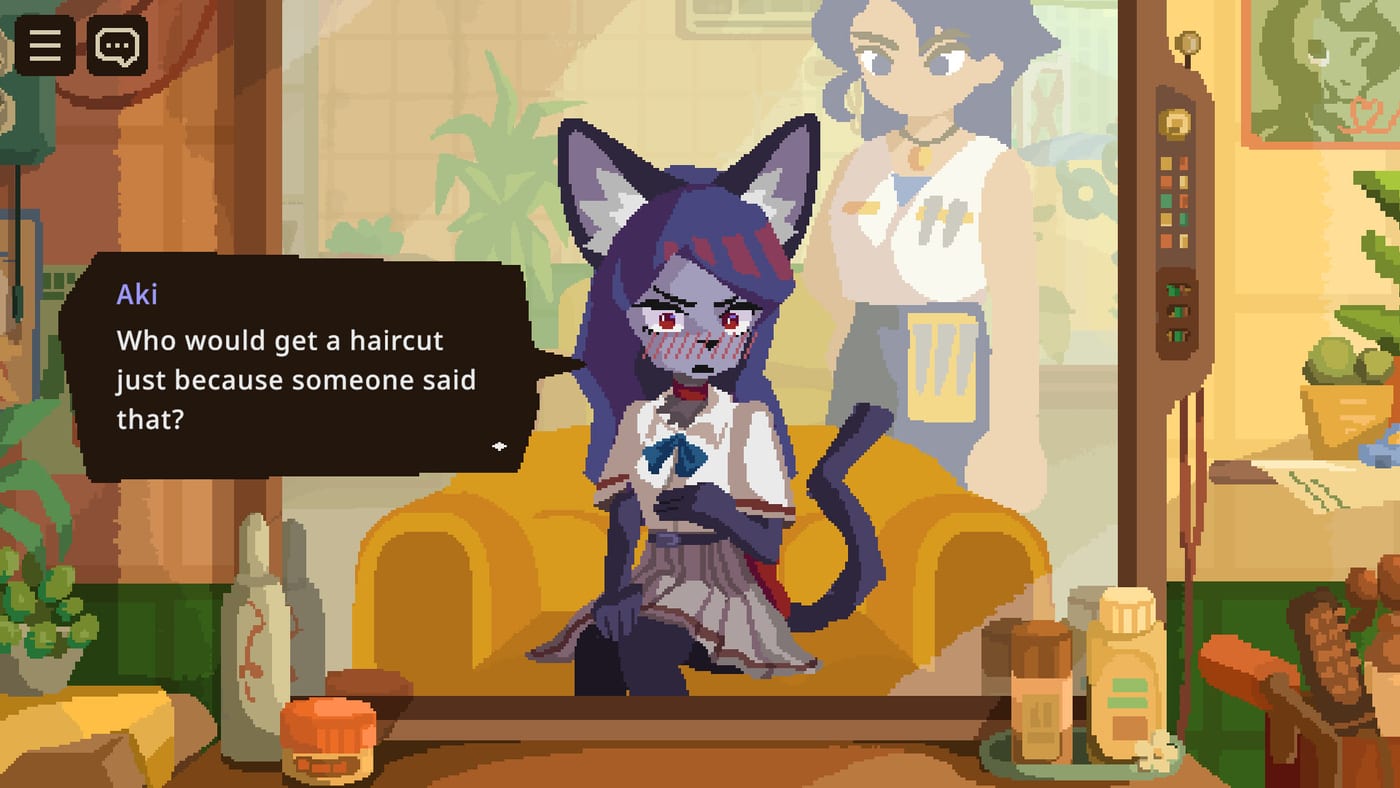
What you are about to play
Beastfolk Barber is a cozy narrative simulation from Safe Flight Games and GameWorks, published by SIGONO. You play Freddie, a barber serving beastfolk clients in a modern city. Each appointment mixes styling decisions with conversations about identity, prejudice, and workplace pressure. The Mysterious Mirror—created by Freddie’s late friend—lets you preview a limited number of hairstyles and watch how customers react before you commit. At day’s end you collect tips, read feedback, and scan a city social feed full of news and festival chatter that can hint at tomorrow’s requests.
A free demo went live on Steam on August 6, 2026 for Windows and macOS (see Demo launch and Wholesome trailers). The full release date is TBA. Official languages are English, Japanese, Simplified Chinese, and Traditional Chinese. This guide assumes you want a successful first session without inventing systems the game does not advertise.
Before you launch
Confirm platform and scope on the Demo hub and Demo download & requirements. Wishlist the main game if you like supporting narrative sims, then install the demo build. Skim What’s in the demo so you know which arcs and tools are sample-sized. Keep this wiki’s Guides Hub open in a browser tab if you want mid-session references without alt-tabbing through Steam discussions.
Hardware needs are modest for a dialogue-forward barber sim, but still verify Windows or macOS compatibility on the store page. Set display and audio levels so facial reactions and Mirror previews are easy to read—you will rely on subtle cues more than on combat HUD elements.
Your role as Freddie
Freddie is not a silent scissors operator. Clients bring emotional context: belonging, bias from the wider city, and pressure from workplaces that may not understand beastfolk appearance. Your job is twofold: deliver a cut that matches what they need, and listen well enough that the conversation feels respectful. Satisfaction from that dual job affects tips, whether customers return, and whether story arcs continue. A badly judged cut can end an arc early—treat early clients as foundation stones, not disposable tutorials.
If you want cast context after you meet people, browse the Customers hub. For mechanical depth later, the Systems hub explains Mirror limits and the evening loop in reference style.
First-session priorities
- Learn the chair rhythm. Open the appointment, listen, note constraints, then style. Do not rush Mirror checks before the client has finished speaking.
- Treat Mirror previews as scarce. Previews are limited. Save them for ambiguity, not for every safe choice. Details live in How to use the Mysterious Mirror and Mysterious Mirror system.
- Watch reactions, not only the final look. The Mirror’s value is the emotional tell. A hesitant flinch matters as much as a smile.
- Finish the day cleanly. After the last client, review tips, feedback, and the social feed. Habit guide: How to read the social feed plus End-of-day loop.
- Protect returning guests. Satisfaction drives return visits. Read Keep customers coming back before you experiment wildly on day two.
Use the Shop day checklist if you like a written loop, and the Mirror decision helper when a preview budget feels tight.
Conversation first, scissors second
Dialogue is half the craft. Clients may describe workplace dress codes, community festivals, or personal history that reframes what “good hair” means. Ask yourself: are they seeking conformity to survive a hostile office, or a look that affirms identity among friends? The game’s themes of prejudice and pressure mean the “correct” cut is often the one that honors the story they told you, not the trendiest silhouette you personally prefer.
When unsure, paraphrase their goal in your head before touching the Mirror. If they emphasize professionalism for a review week, lean conservative. If they want courage before a festival, lean expressive—but still verify with a scarce preview when stakes feel high.
End-of-day homework
Closing time is not flavor text. Tips measure how the shop feels economically; feedback tells you whether arcs stay open; the social feed and news/festival posts telegraph public mood and possible styling cues. Spend a few real minutes here. Screenshot or note names, events, and adjectives that appear twice. Tomorrow’s “surprise” request is often yesterday’s feed post in disguise.
What not to stress on day one
Do not chase perfectionist completion of every optional chat branch if it exhausts you. Do not invent combat or crafting loops—this is a narrative barber sim. Do not assume the demon bargain (undoing a past regret for a perfect demonic haircut, needing resources and a way to cut demon hair) is a demo-mandatory boss fight; treat it as a story destination the full game may expand. Your demo goal is simple: leave Freddie’s first days with intact customer relationships and a clear Mirror habit.
After the first session
Follow the Beastfolk Barber demo walkthrough for a structured path, then decide with Demo first impressions and Should you wishlist Beastfolk Barber?. Return to this Getting Started page whenever a friend asks how to play—the answer is always listen, preview sparingly, and close the shop with the feed open.
Frequently Asked Questions
Quick answers to the most common questions.
Is the Beastfolk Barber demo free?
Yes. It went live on Steam on August 6, 2026 for Windows and macOS. See the Demo hub for scope and install notes.
Who is Freddie?
Freddie is the player character: a barber for beastfolk in a modern city, balancing haircuts with conversations about identity and pressure.
What is the Mysterious Mirror?
A limited preview tool created by Freddie’s late friend. Use it to watch reactions before committing; see How to use the Mirror.
Can a bad haircut end a story?
Yes. Customer satisfaction affects return visits and arc continuation; poor results can close storylines early.
Which language should I pick?
The game supports English, Japanese, Simplified Chinese, and Traditional Chinese. Choose whichever you read most comfortably for dialogue-heavy play.
Where do I go after Getting Started?
Practice Mirror discipline, then follow the Demo walkthrough and evening habits in How to read the social feed.